
THIS INNER VOICE MUSIC THERAPY
Restoring lives through compassionate, creative, clinically-rigorous music therapy.
A short welcome video from TIV Founder, Serenna Wagner. You can find out more about Serenna here
We provide HCPC-registered, evidence-informed music therapy for clients living with challenges arising from neurological injury, disease, disorder or neurodivergence. Sessions are tailored to the individual and can be delivered in person or online (we have associates based throughout the UK) with clear goals, review points and reporting for the wider team.
Referral rationale
This free, 3-page brief is designed to assist case managers, allied health professionals, and service funders in understanding the clinical reasoning behind referrals for Neurologic Music Therapy® (NMT™).
It outlines the evidence base, referral criteria, expected outcomes, and the reporting you can expect for individuals with neurologic and neurodevelopmental conditions. You can call us directly for an informal conversation to discuss client suitability on 01865 818938 with no obligation.
HCPC-registered music therapists | Safeguarded, supervised and insured | In person and online
"We cannot believe what you have enabled our daughter to achieve"
- parent of adult client with TBI
Our bespoke music therapy is available both in person and online. We have a particular specialism in helping clients to recover speech through singing-based interventions.
No musical ability is required on the client's part.
NEW in 2026 - THE SONGBIRDS
Neurologic Music Therapy®group in Oxford
In-person, weekly group therapy sessions for people living with aphasia and/or apraxia
Please follow the link for more details and to book: Songbirds
Please call us on 01865 818938 for an informal chat
SUITABILITY
Our work is especially effective in the following situations
A client has reduced initiation, low engagement, or difficulty sustaining attention in rehabilitation.
Speech is effortful (e.g., aphasia, apraxia/dyspraxia, dysarthria, reduced prosody or vocal confidence)
Emotional distress, fatigue, low confidence, or if adjustment is limiting participation and carryover between sessions.
Families and carers need practical strategies to support regulation, motivation and connection at home.
Our work is goal-led and integrated within the wider MDT team. We provide clear treatment aims, review points, and concise reporting to support case management decision-making. You can call directly to discuss client needs and suitability on 01865 818938 with absolutely no obligation.
"From the very start Serenna has been a pleasure to work with and I couldn't recommend her services more. She has been flexible and adaptive to our client’s needs and perfectly struck the balance of meeting him at his level of engagement while being able to push him to be challenged and develop. Reading the clinical notes following each session has been a true highlight of the week. I only wish I could join in too!"
Megan Eynon-Haines (Community Case Management Ltd.)
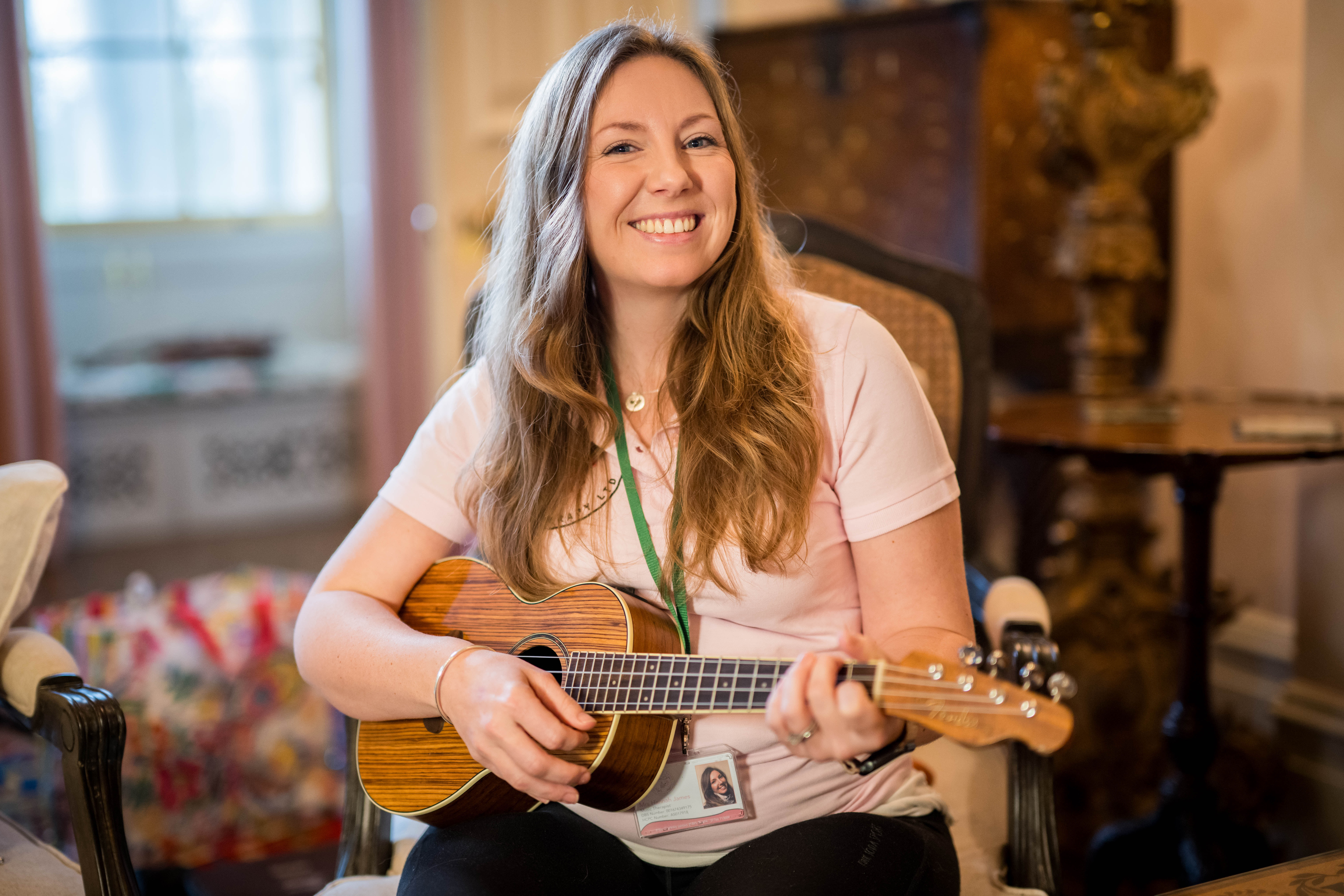
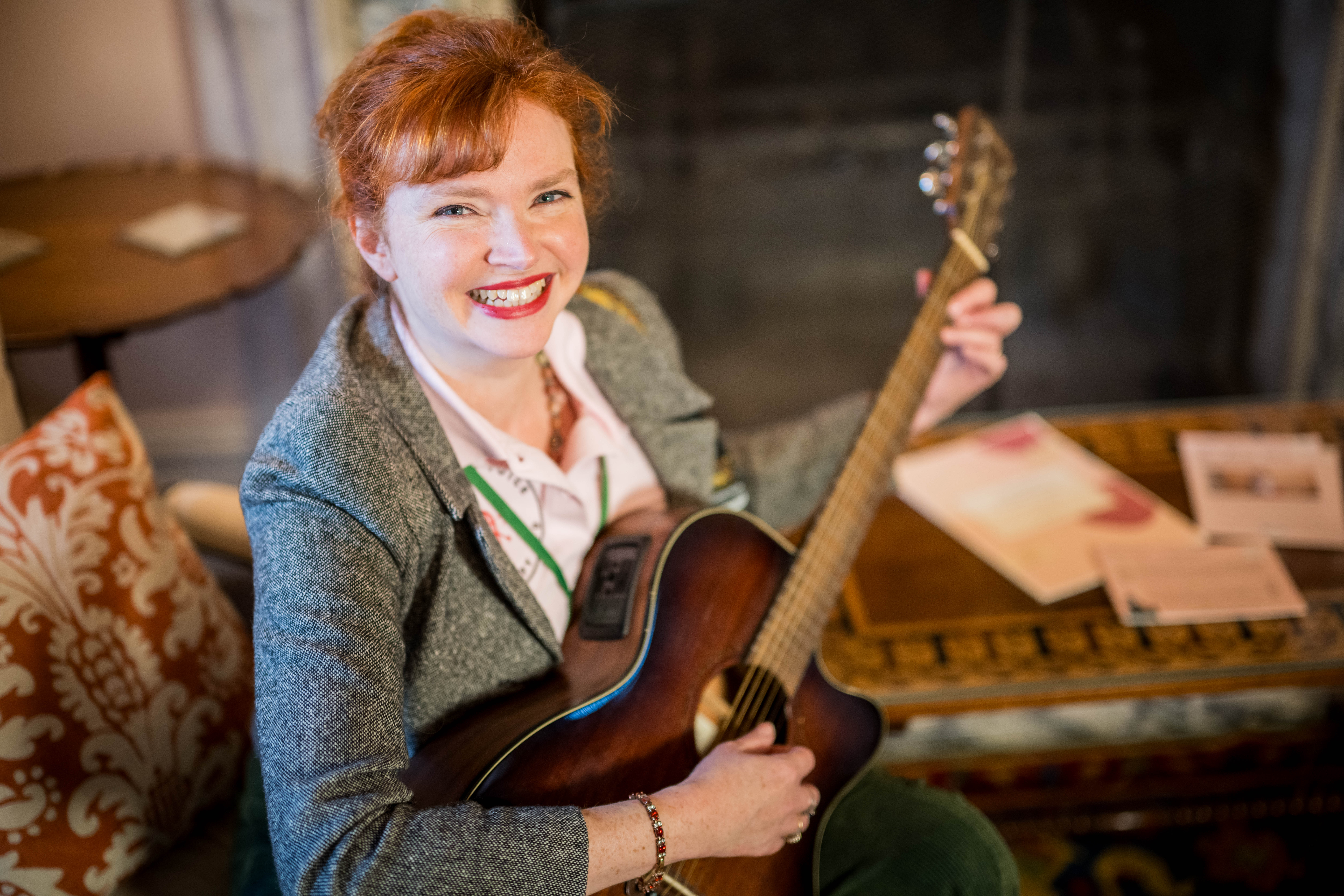
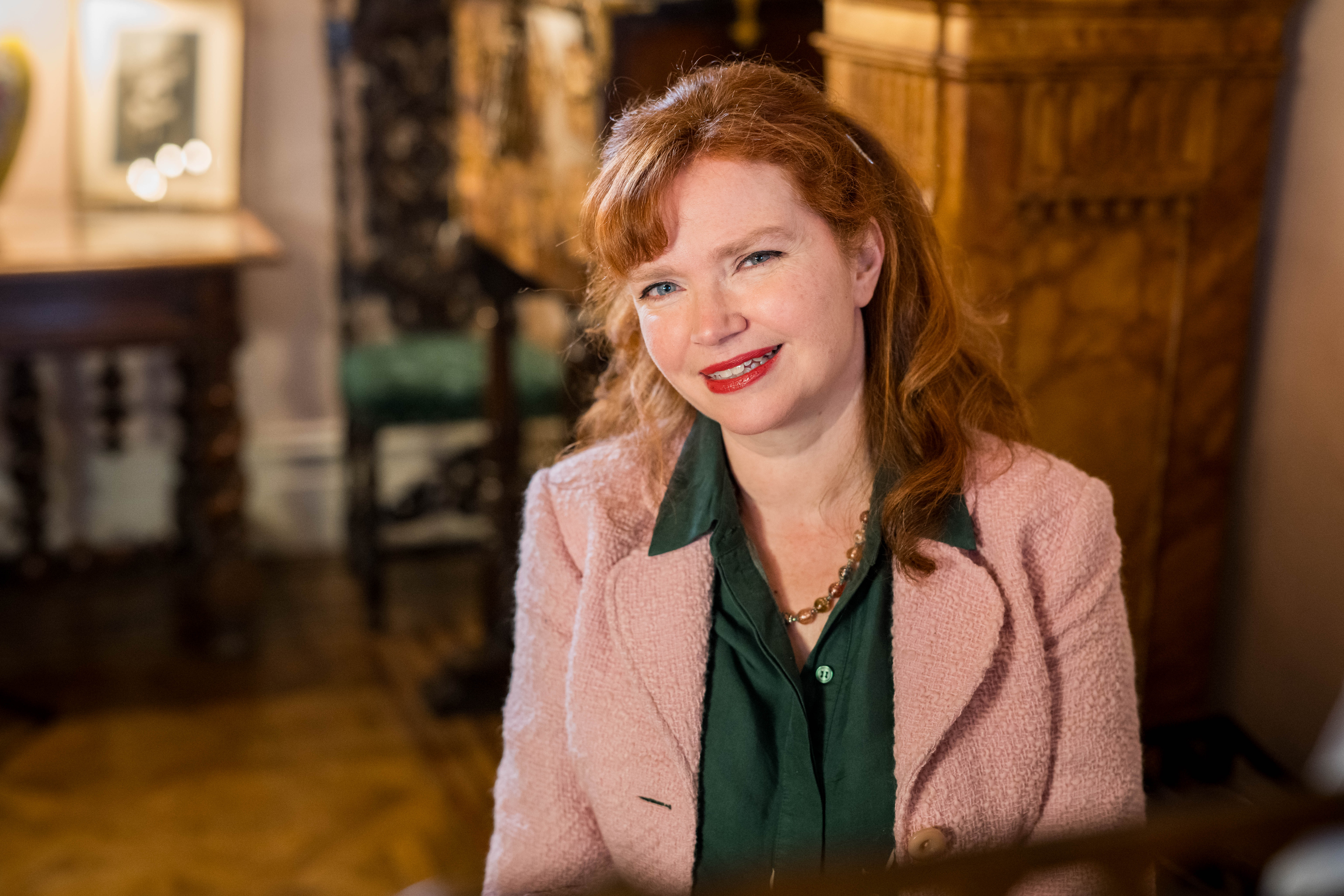
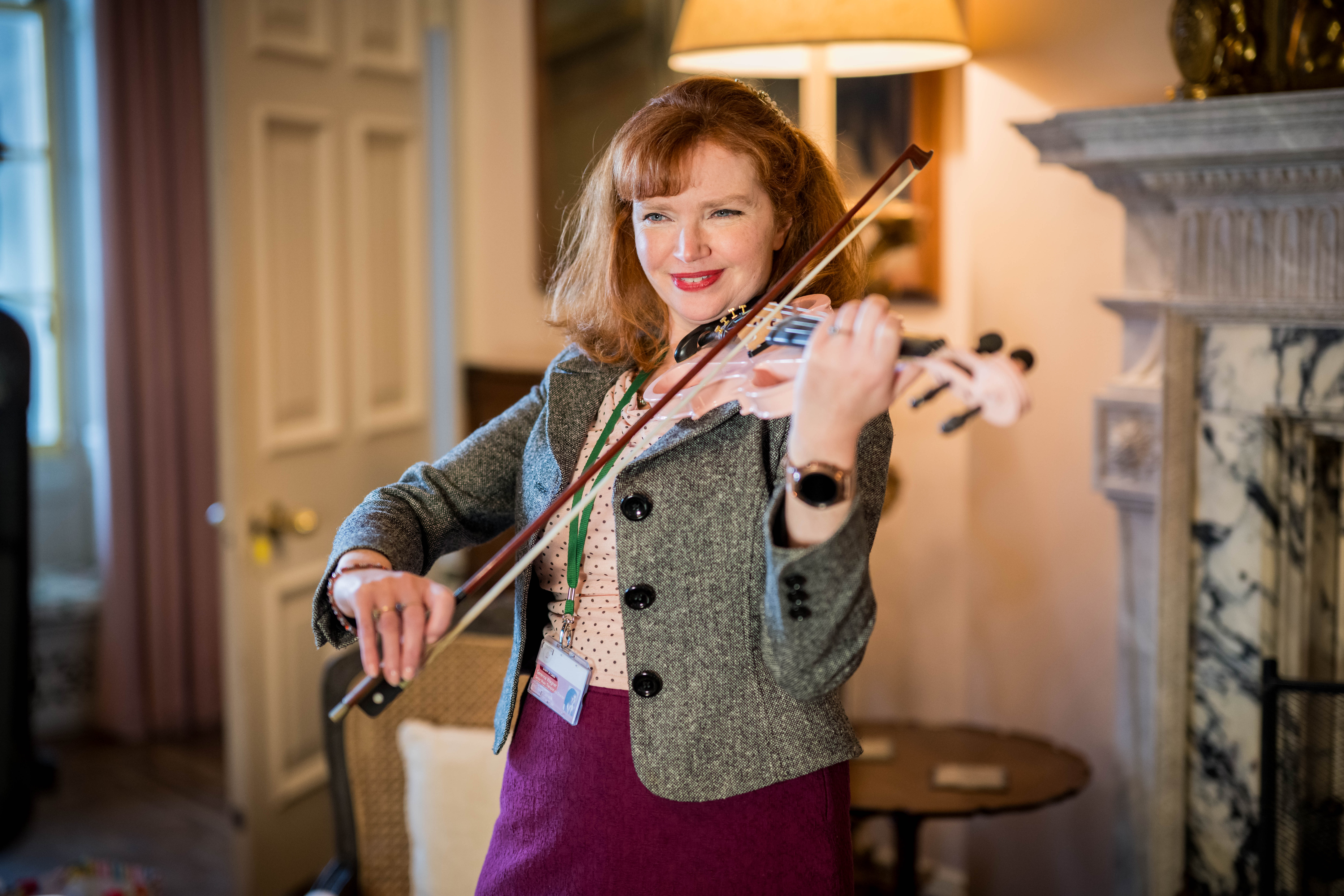
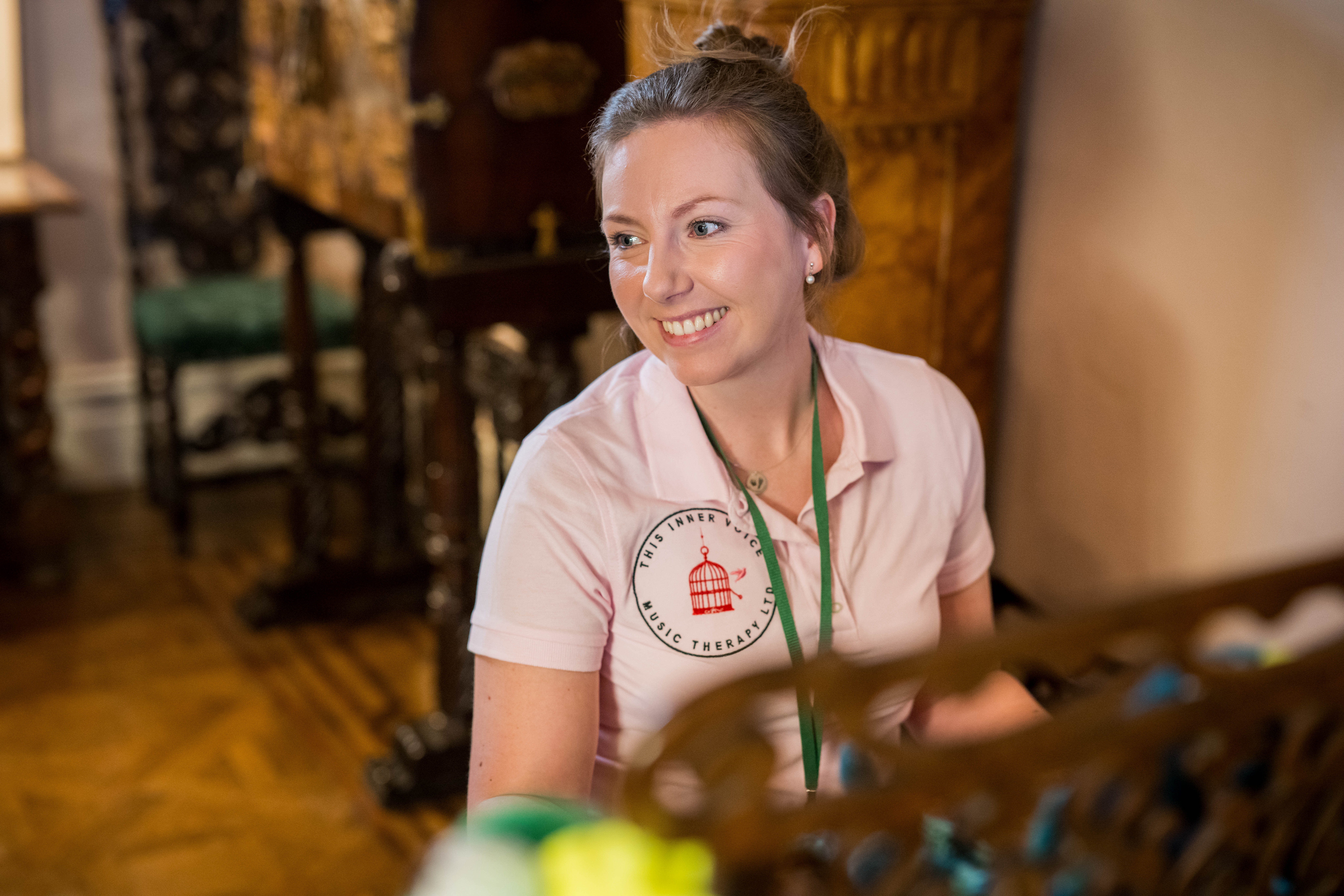
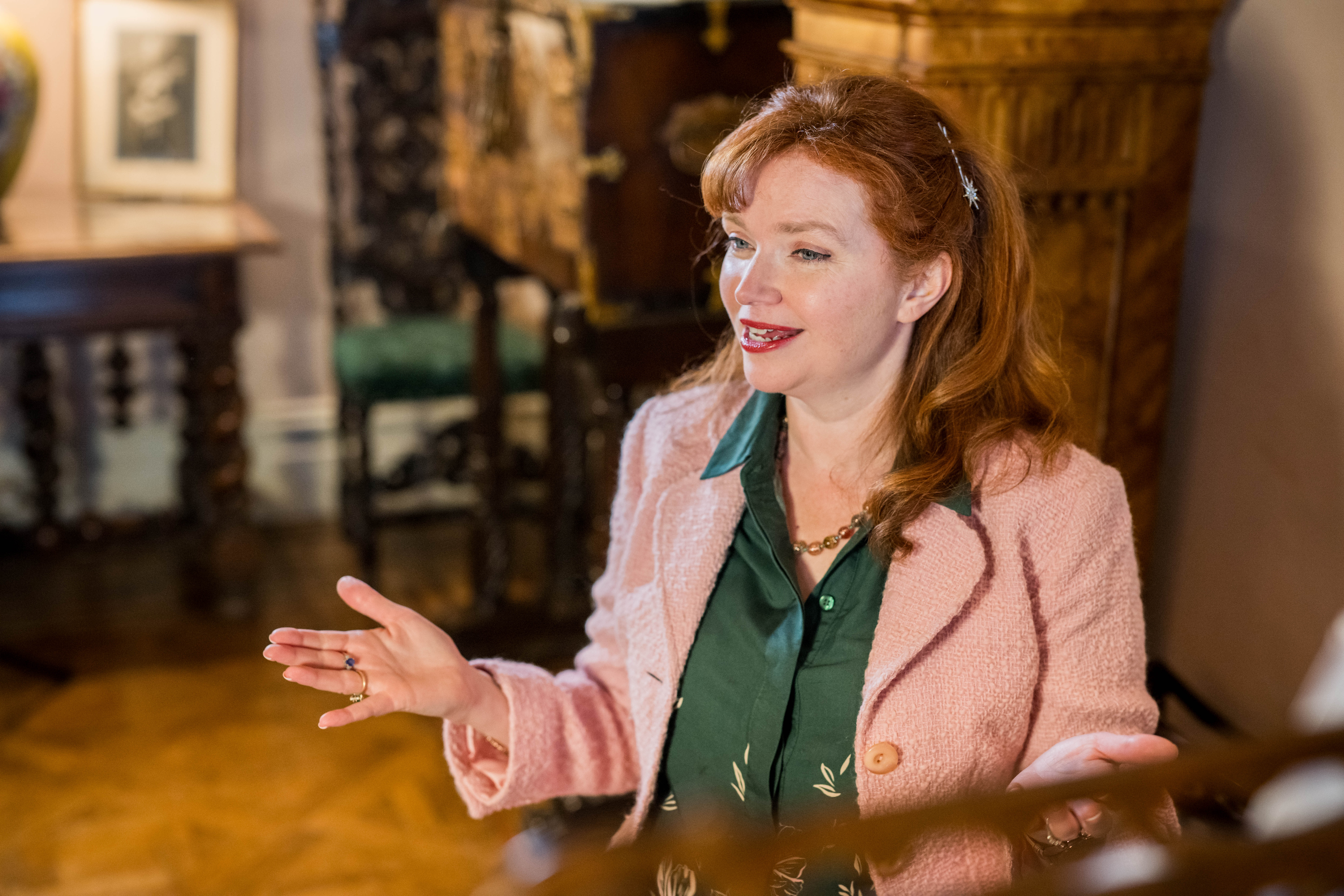
Photos feature Serenna Wagner and TIV Therapist Hannah James - taken at Stansted Park by Paul Martin of Pictures Inc. Ltd copyright 2026
We offer in-person sessions (UK-wide associates) and online delivery. We work flexibly across home, clinic, education and community settings. Joint work with other therapeutic modalities often takes place.
Person-centred | Goal-orientated | Clear review points | Concise reporting
“My son absolutely loves working with Serenna and looks forward to every session. They quickly developed a beautiful bond and a mutual understanding that makes their time together incredibly productive. Beyond the sessions, I am impressed by her in-depth reports and the clear insight they provide. I’m excited to see his continued growth under her care.”
(Parent of 10-year old client with SL difficulties)
Serenna was recently interviewed about her work by Devon-based artist and radio presenter, Cristie Bowcher-Royce
This was part of a series of interviews with a wide range of sound and music practitioners exploring their knowledge and experiences of how sound and vibration affects the mind and body, through both passive and active means.
You can listen to the interview here: Serenna with Cristie Bowcher-Royce
SERVICE OVERVIEW
Neurologic Music Therapy® harnesses the power of music to promote meaningful change during the rehabilitation process.
My team and I offer a powerful set of interventions, channeling evidence-based methods within beautiful, enriching sessions that are carefully tailored towards physical, social, emotional and psychological goals, whilst sensitively supporting families and caregivers. Alongside NMT™-informed work, we also offer psychodynamic music therapy where a relational, depth-oriented approach is clinically indicated.
Our services include
Neurologic Music Therapy® interventions (with a specialism in singing-based work for speech and communication).
Psychodynamic Music Therapy - sensitive work with unconscious processes to provide a structured, creative and supportive environment where clients can explore underlying feelings, patterns, and relationships through musical interaction and reflection.
Collaborative clinical work with a range of professionals and services;
includes joint work with SLT providers such as Excel SLT Ltd alongside other independent clinicians and teams.
MATADOC assessments (Music Therapy Assessment Tool for Awareness in Disorders of Consciousness), where appropriate.
Medico-legal work, including expert witness reporting and clear, structured documentation for case management.
Hybrid therapeutic music lessons where an educational bias is appropriate.
We offer training for those interested in learning more about music therapy. See here for details. Please feel free to call directly on 01865 818938 if you would like to have an informal conversation about client suitability with absolutely no obligation.
We are members of
BABICM | BAMT | ISM | HCPC
How does music therapy work, and how can it help my client?
Music therapy harnesses the inherent qualities within music so as to promote positive neurological changes in our clients. There is now an extensive body of research to support the efficacy of music therapy across psychological, sensorimotor, speech and language and cognitive domains. Music therapy is no longer regarded as a pleasant extra, but rather a potent and far-reaching method of creating positive changes for our clients.
Our HCPC-registered therapists will assess the client over a 4-week period and then, in consultation with the client (where possible), their family and wider team, present a report with a treatment plan detailing the methods we intend to use and the outcomes we are working towards. We agree clear review points from the outset, so that progress can be evaluated and communicated in a way that supports case management decision-making.
How our work typically unfolds:
1. Enquiry / referral discussion
2. Suitability call and information gathering (including MDT liaison where appropriate)
3. 4-week assessment block
4. Report, treatment plan and agreed review points
What we commonly work on (examples):
Area
What we target
What this can look like in everyday life
Area
Communication and speech
What we target
Initiation, intelligibility, functional phrase production, vocal confidence
What this can look like in everyday life
More consistent communication attempts; clearer speech; increased confidence in conversation
Area
Cognition
What we target
Attention, working memory, task persistence, processing
What this can look like in everyday life
Improved engagement in rehab tasks; better carryover into routines; increased mental stamina
Communication and speech
Initiation, intelligibility, functional phrase production, vocal confidence
More consistent communication attempts; clearer speech; increased confidence in conversation
Cognition
Attention, working memory, task persistence, processing
Improved engagement in rehab tasks; better carryover into routines; increased mental stamina
Motor skills
Timing, coordination, fine motor control
Greater independence in daily tasks; improved coordination and confidence with movement
Area
Motor skills
What we target
Timing, coordination, fine motor control
What this can look like in everyday life
Greater independence in daily tasks; improved coordination and confidence with movement
Area
Motivation and engagement
What we target
Participation, autonomy, willingness to practise
What this can look like in everyday life
Better session engagement; increased carryover between sessions; more consistent practice
Motivation and engagement
Participation, autonomy, willingness to practise
Better session engagement; increased carryover between sessions; more consistent practice
Area
Emotional regulation
What we target
Anxiety, overwhelm, agitation; adjustment to change
What this can look like in everyday life
Calmer regulation; improved coping; reduced distress impacting daily function
Emotional regulation
Anxiety, overwhelm, agitation; adjustment to change
Calmer regulation; improved coping; reduced distress impacting daily function
Area
Social participation
What we target
Turn-taking, shared interaction, confidence with others
What this can look like in everyday life
Increased social initiation; stronger participation in family and community life
Social participation
Turn-taking, shared interaction, confidence with others
Increased social initiation; stronger participation in family and community life
' TIV provides exceptional music therapy sessions which benefit our client immensely. The sessions are vibrant and engaging, and it is wonderful to see the smiles and pure joy on our client's face.The reports and case notes provided are highly professional and reflect clear goals for treatment sessions.'
JF (Case manager for adult client with cerebral palsy)
Organisations we have worked with include:-
Psychworks Case Management; Independent Living Solutions; Community Case Management; Oria Case Management; Anglia Case Management; Harrison Associates; Brownbills Case Management; Neurohealth Case Management; Together After; East Anglia Case Management
OUTCOME MEASURES
We select outcome measures based on the referral goals and any existing MDT assessments, so as to avoid unnecessary duplication. Commonly used measures may include:-
Goal Attainment Scaling (GAS) - standardised scoring of progress towards individualised, functional goals.
TOMs (Therapy Outcome Measures; Pam Enderby) - clinician-rated change across impairment, activity, participation and wellbeing.
Cognition, attention and executive function
MoCA (attention, memory, executive function, etc.).
Clock Drawing Test (CDT) - screen for visuospatial and executive skills.
Trail-Making Test (TMT A & B) - attention/processing speed (A) and set-shifting/executive control (B).
Albert’s Test - screen for visuospatial neglect (often post-stroke/ABI).
Mobility
10-metre walk test - measure of gait speed to support mobility-related goal tracking.
Speech intelligibility / communication impact
Intelligibility in Context Scale (ICS) - rates how well speech is understood by different communication partners.
Use of Beautiful Voice application for standardised assessments and goal setting.
Wellbeing
WEMWBS / SWEMWBS - mental wellbeing assessment (long and short forms).
We combine standardised measures with the use of GAS scaling, SMART goals, clinical observation and feedback from the client, family and wider team, and report at agreed intervals (often 12 weeks).
We combine standardised measures with the use of SMART goals, clinical observation and feedback from the client, family and wider team, and report at agreed intervals (often 12 weeks).
Read more about all our services here
'Alas for those that never sing, But die with all their music in them!'
- The Voiceless, Holmes
Clinical indications for a TIV referral include:-
Your client is living with ABI/TBI, stroke, neurodegenerative disease, complex disability, or neurodivergence, and would benefit from an engaging, goal-led rehabilitation modality
Speech, voice or communication is effortful, and you would like structured, motivating practice (including singing-based interventions where appropriate)
Motivation, initiation, attention or emotional regulation is limiting progress and carryover between sessions
Necessity for clear goals, review points and concise reporting
This service may not be the best fit when
The referral need is primarily outside our scope (we are happy to advise and signpost where appropriate)
The client is currently too medically unstable for therapeutic work (we can advise on timing and suitability)
Service overview
Delivery: in person (Oxford and surrounding areas, plus UK-wide associates) and online, depending on suitability
Typical session length: 45–60 minutes (tailored to fatigue and tolerance)
Reporting: baseline summary and treatment plan after the assessment block, then reviews at agreed intervals
Collaboration: liaison with MDT and joint work (particularly SLT) where appropriate
How to refer
• Make a referral / enquiry (01865 818938)
• Brief suitability call and information gathering
• 4-week assessment block (preceded by optional meet and greet)
• Report, treatment plan and agreed review points
What a few of our clients say…
If you would like to discuss a potential referral, we would be very happy to hear from you.
We aim to respond promptly and can advise on suitability, timing, and the most appropriate next steps
OUR VALUES
Deep compassion
We meet people where they are, with sincerity, kindness, respect and dignity.
Clinical rigour
We offer evidence-informed practice, clear goals, and thoughtful clinical reasoning.
Accountability
We plan measurable aims, agreed review points, and clear documentation.
Safety and governance
Safeguarding, supervision-led practice, and robust professional standards are paramount.
Collaboration
We engage in joined-up thinking and integrated working with case managers, families and the MDT (especially SLT).
Autonomy
We prioritise the client’s voice, preferences and consent to guide the work.
Artistry in service of outcomes
We have very high standards of musicianship and these are used purposefully to support rehabilitation and wellbeing.
Reflective practice
We provide ongoing CPD, supervision, and focus on continual improvement and learning
Hope and motivation
We foster confidence and mood-lifting experiences without unrealistic promises.
Respect and inclusion
We are culturally responsive, and offer accessible practice that values each person’s context.
Timely responses
We do not like to keep people waiting. We are agile and responsive to requests and keen to get therapy to those who need it as soon as we can, providing all safety measures are in place.
Family support
We care very much about the caregivers and want to support them as much as we can with resources to use outside of session times.
Free Download
Download a mini post card guide for caregivers.
This resource has a handful of ideas to get started with helping loved-ones with regulation, connection, motivation and relaxation through music.
CASE STUDIES
Case study 1: James (28) – traumatic brain injury (TBI)
Referral goals:
Increase speech initiation and functional phrase production
Improve engagement, attention and carryover between sessions
Support confidence, lift mood and foster participation in everyday communication
James had sustained a traumatic brain injury in a road accident two years before his team made contact. By the time he was referred, progress had begun to plateau and James was feeling discouraged about communication. We used music to create connection and through using NMT™ techniques helped him experience success again in small, manageable steps.
Approach:
Melodic Intonation Therapy (MIT)™-informed work to shape functional phrases, with graded cue-fading from sung to spoken production
Rhythmic Speech Cueing (RSC)® to support pacing, articulation and turn-taking in functional scripts
Music Psychosocial Training and Counseling (MPC)™ where appropriate, supporting adjustment, motivation and mood-lifting
Joint working and liaison with the wider team (e.g., SLT, OT, psychology, support workers), with clear review points and concise reporting
Outcomes:
More consistent communication attempts and increased initiation
Improved functional use of key phrases in everyday contexts
Increased confidence and engagement, supporting wider rehabilitation participation
Case study 2: Noah (13) - cerebral palsy
Referral goals:
Improve speech clarity and listener comprehension in everyday contexts
Support breath-voice coordination, pacing and reduced effort when speaking
Increase confidence communicating with familiar and unfamiliar listeners
Noah loved outings and was very sociable, but being misunderstood left him feeling disheartened, especially outside familiar settings. Sessions focused on helping him to use his speaking voice more clearly using his interests in musicals and the theme of transport as a means of engaging him fully.
Approach:
Rhythmic Speech Cueing (RSC)® to support rate control, pacing and phrase shaping (with gradual withdrawal of musical supports)
Therapeutic Singing (TS)™-informed vocal work integrated with functional speech targets to support breath-voice coordination and prosody. Use of engaging and preferred repertoire.
Joint work with SLT and education/support teams where appropriate, to generalise strategies into daily life
Outcomes:
Improved intelligibility in targeted phrases and routines
Increased confidence communicating needs, preferences and ideas
Better participation in school, social and family contexts
All case studies are anonymised and are illustrative examples;
outcomes vary by individual and are reviewed against agreed goals and measures.
Case study 1: James (28) – traumatic brain injury (TBI)
Case study 2: Noah (13) - cerebral palsy
Referral goals:
Referral goals:
Increase speech initiation and functional phrase production
Improve engagement, attention and carryover between sessions
Support confidence, lift mood and foster participation in everyday communication
Improve speech clarity and listener comprehension in everyday contexts
Support breath-voice coordination, pacing and reduced effort when speaking
Increase confidence communicating with familiar and unfamiliar listeners
James had sustained a traumatic brain injury in a road accident two years before his team made contact. By the time he was referred, progress had begun to plateau and James was feeling discouraged about communication. We used music to create connection and through using NMT™ techniques helped him experience success again in small, manageable steps.
Noah loved outings and was very sociable, but being misunderstood left him feeling disheartened, especially outside familiar settings. Sessions focused on helping him to use his speaking voice more clearly using his interests in musicals and the theme of transport as a means of engaging him fully.
Approach:
Approach:
Melodic Intonation Therapy (MIT)™-informed work to shape functional phrases, with graded cue-fading from sung to spoken production
Rhythmic Speech Cueing (RSC)® to support pacing, articulation and turn-taking in functional scripts
Music Psychosocial Training and Counseling (MPC)™ where appropriate, supporting adjustment, motivation and mood-lifting
Joint working and liaison with the wider team (e.g., SLT, OT, psychology, support workers), with clear review points and concise reporting
Rhythmic Speech Cueing (RSC)® to support rate control, pacing and phrase shaping (with gradual withdrawal of musical supports)
Therapeutic Singing (TS)™-informed vocal work integrated with functional speech targets to support breath-voice coordination and prosody. Use of engaging and preferred repertoire.
Joint work with SLT and education/support teams where appropriate, to generalise strategies into daily life
Outcomes:
Outcomes:
More consistent communication attempts and increased initiation
Improved functional use of key phrases in everyday contexts
Increased confidence and engagement, supporting wider rehabilitation participation
Improved intelligibility in targeted phrases and routines
Increased confidence communicating needs, preferences and ideas
Better participation in school, social and family contexts
All case studies are anonymised and are illustrative examples;
outcomes vary by individual and are reviewed against agreed goals and measures.
PROFESSIONAL MEMBERSHIPS




FOLLOW US


QUICK LINKS
LEGAL
Copyright 2026. TIV .
All Rights Reserved.
01865 818938
Website built by Creative Tech Solutions
Photography, video and audio by Paul Martin, Pictures Inc. Ltd
Logo by Denise Fishburn, Ginger Fish Design